DarsateksSustainability
Fashion can be beautiful without costing the earth.
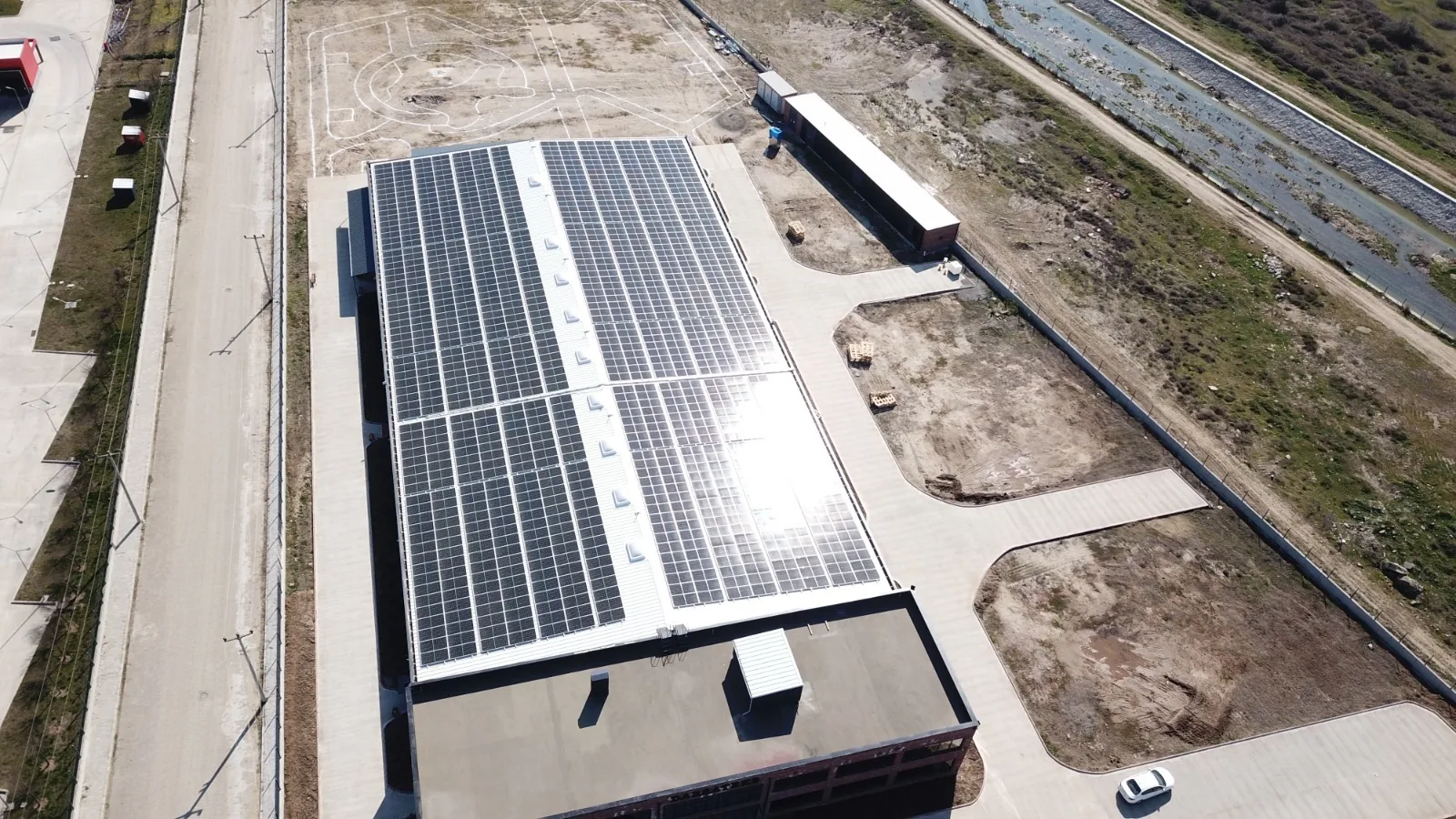
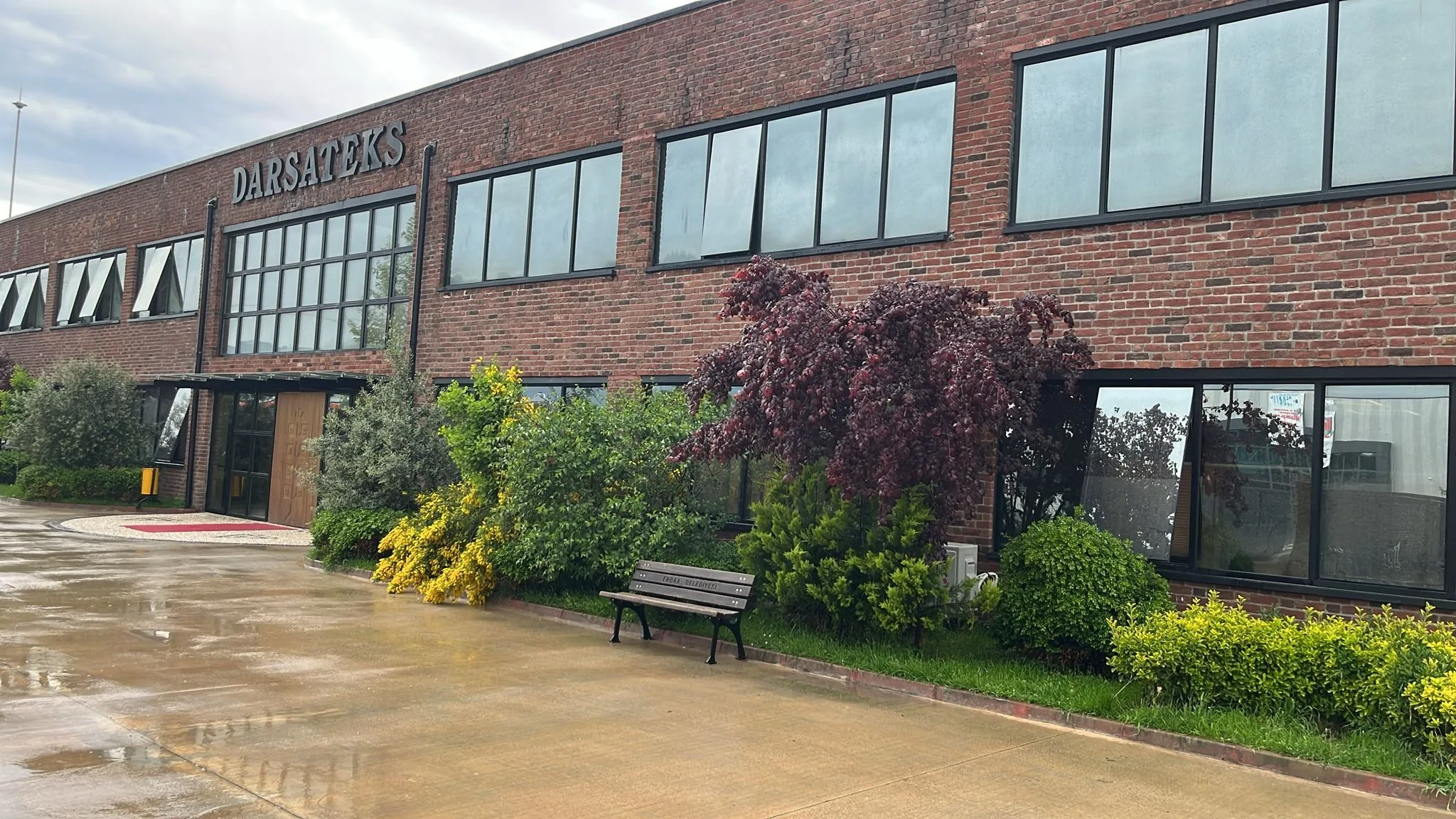
Our Erbaa factory runs on 960 solar panels on its own roof, sells its surplus electricity to the grid and steams with electricity, not gas. Sustainable energy is built into how we make clothes, not added afterwards.
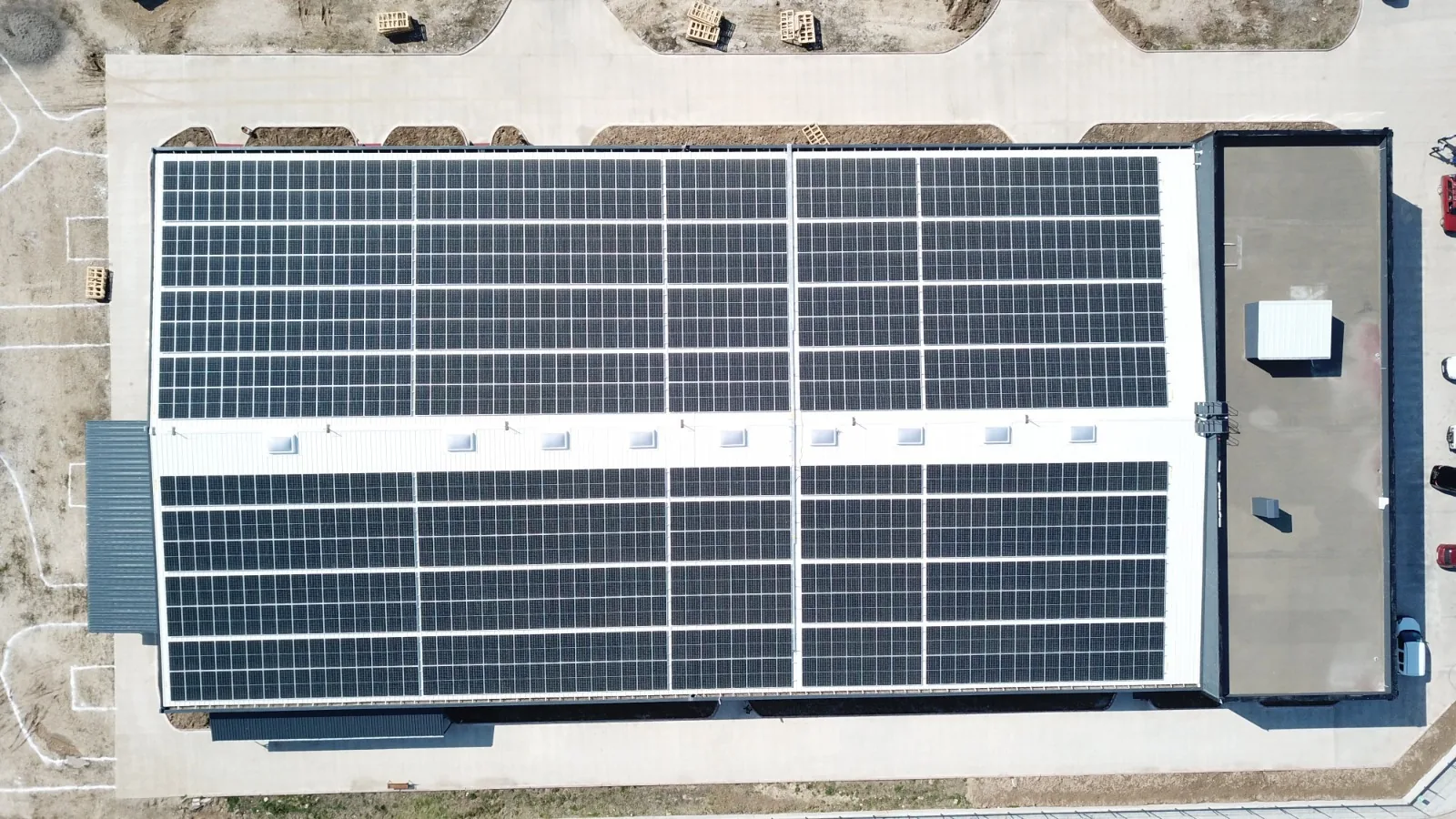
Solar panels
960
On the factory roof. Surplus electricity is sold to the grid.
Grid carbon target
0
Our target: zero carbon from the electricity we draw from the grid.
Sampling energy saved
~10%
By developing styles in 3D with Style3D before cutting a physical sample.
Green factories
2
A second green factory now stands beside the first in Erbaa OSB.
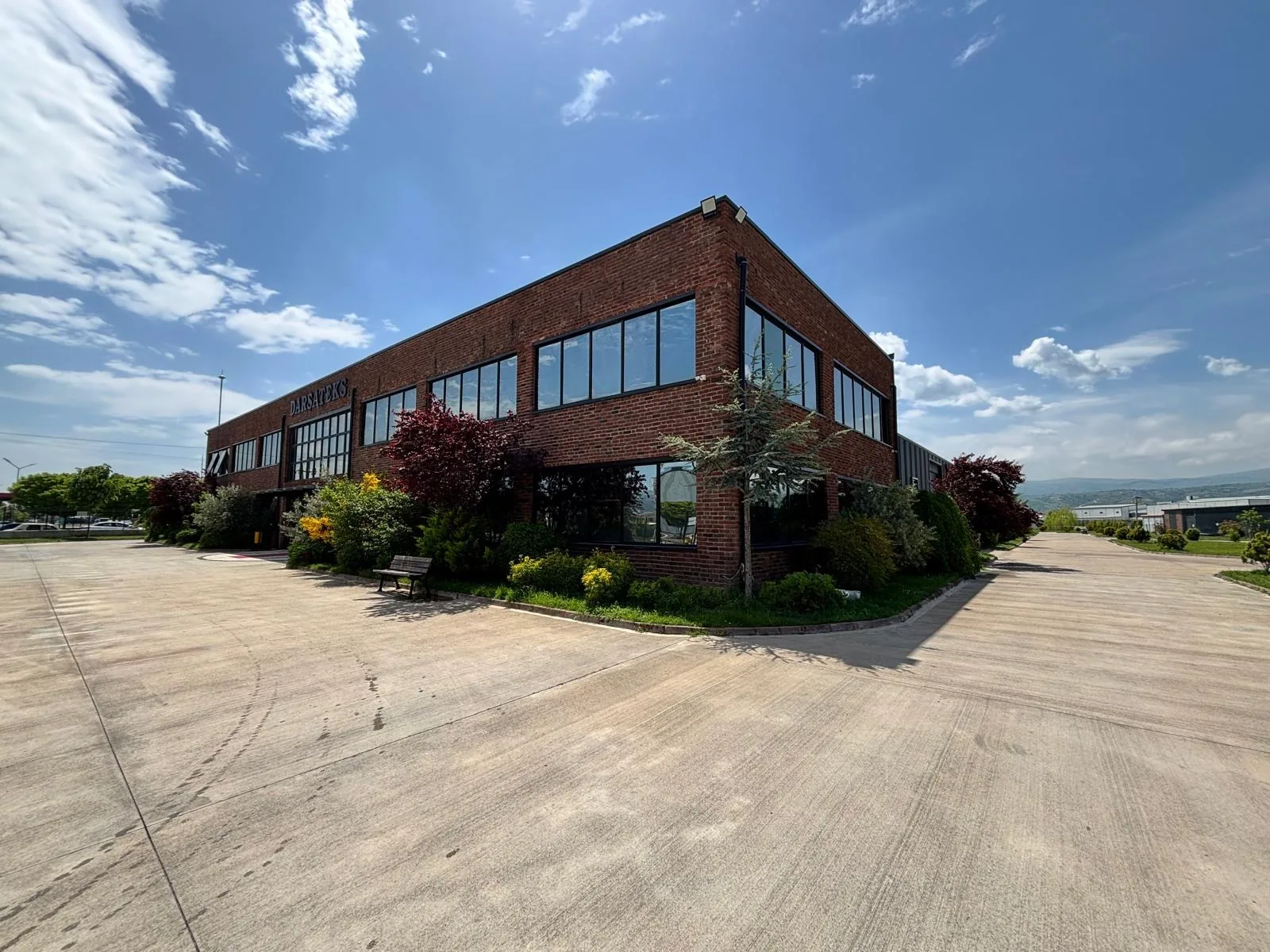
The site
Two green factories, one site.
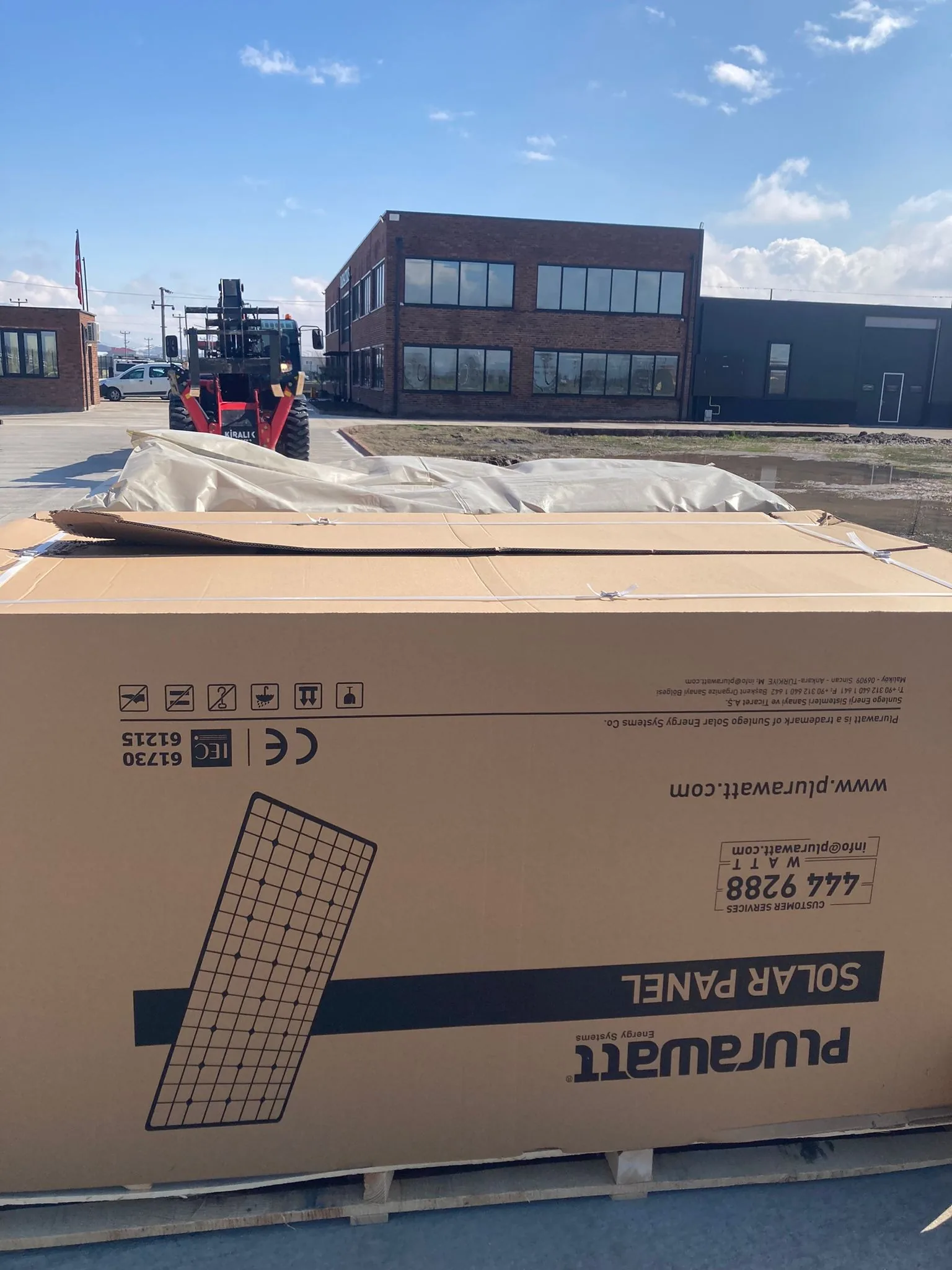
Our solar panels arrived in Erbaa in March 2022 and now cover the factory roof. A second green factory, steel-built and insulated, has joined the first in Erbaa Organised Industrial Zone.
Production practices
Eight decisions, built into the building.
The technologies and methods we run every day in Erbaa. Each one cuts energy, water, paper or emissions from the garments we make for you.
-
Energy
Solar energy
960 panels on the factory roof. What we don't use is sold to the grid, and our target is zero carbon from grid electricity.
960 panels · surplus to the grid
-
Water
Rainwater recycling
Rain is collected from the roof and recycled for use in the factory.
Harvested and reused on site
Rain, reused. -
Light
Daylight and LED
Glass roof windows bring in daylight and fresh air; LED fittings cover the rest.
Roof lights · LED
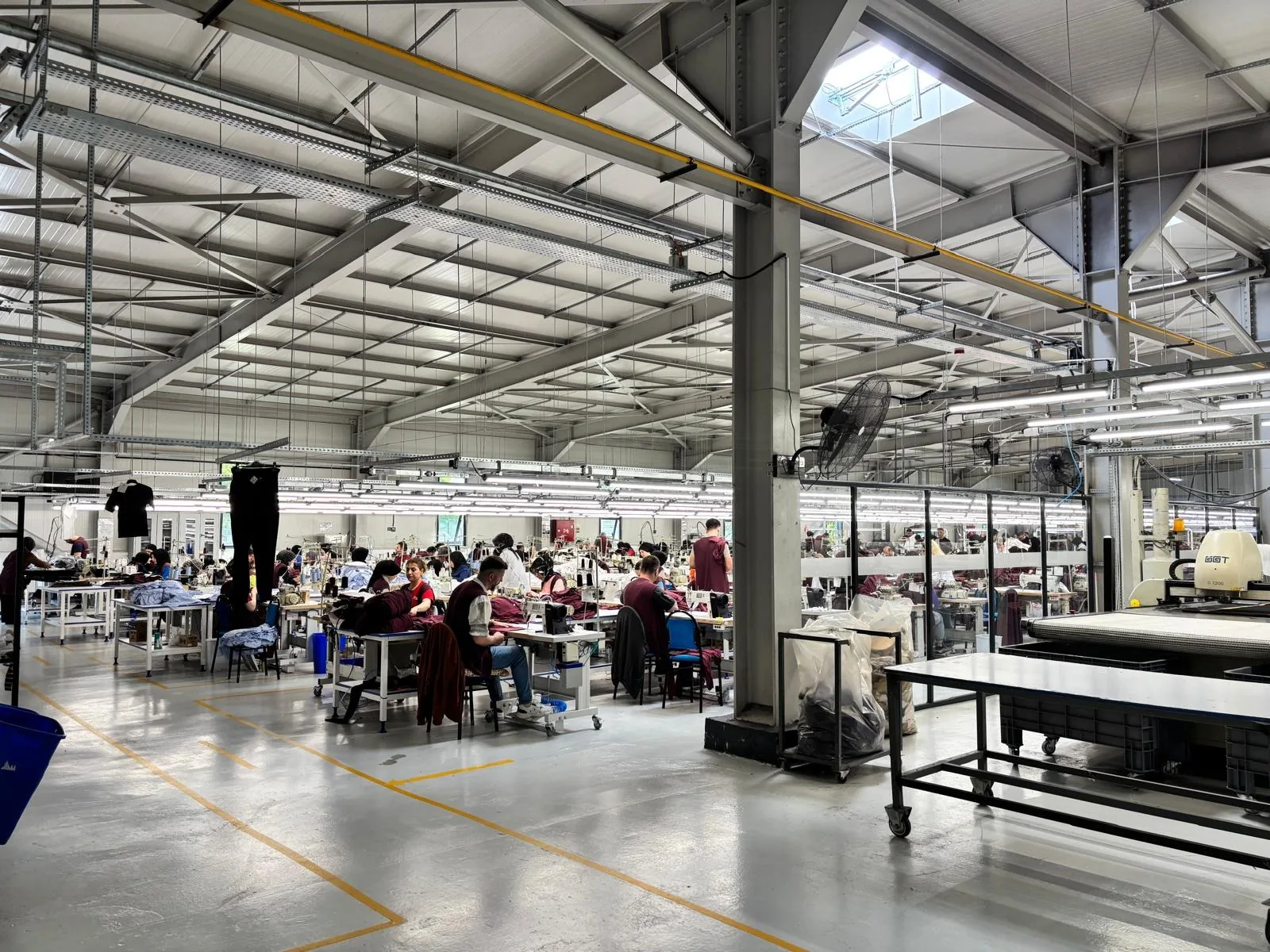
-
Building
Steel and sandwich panels
Steel construction clad in insulated sandwich panels keeps the halls cool in summer and warm in winter, with less energy.
Insulated envelope
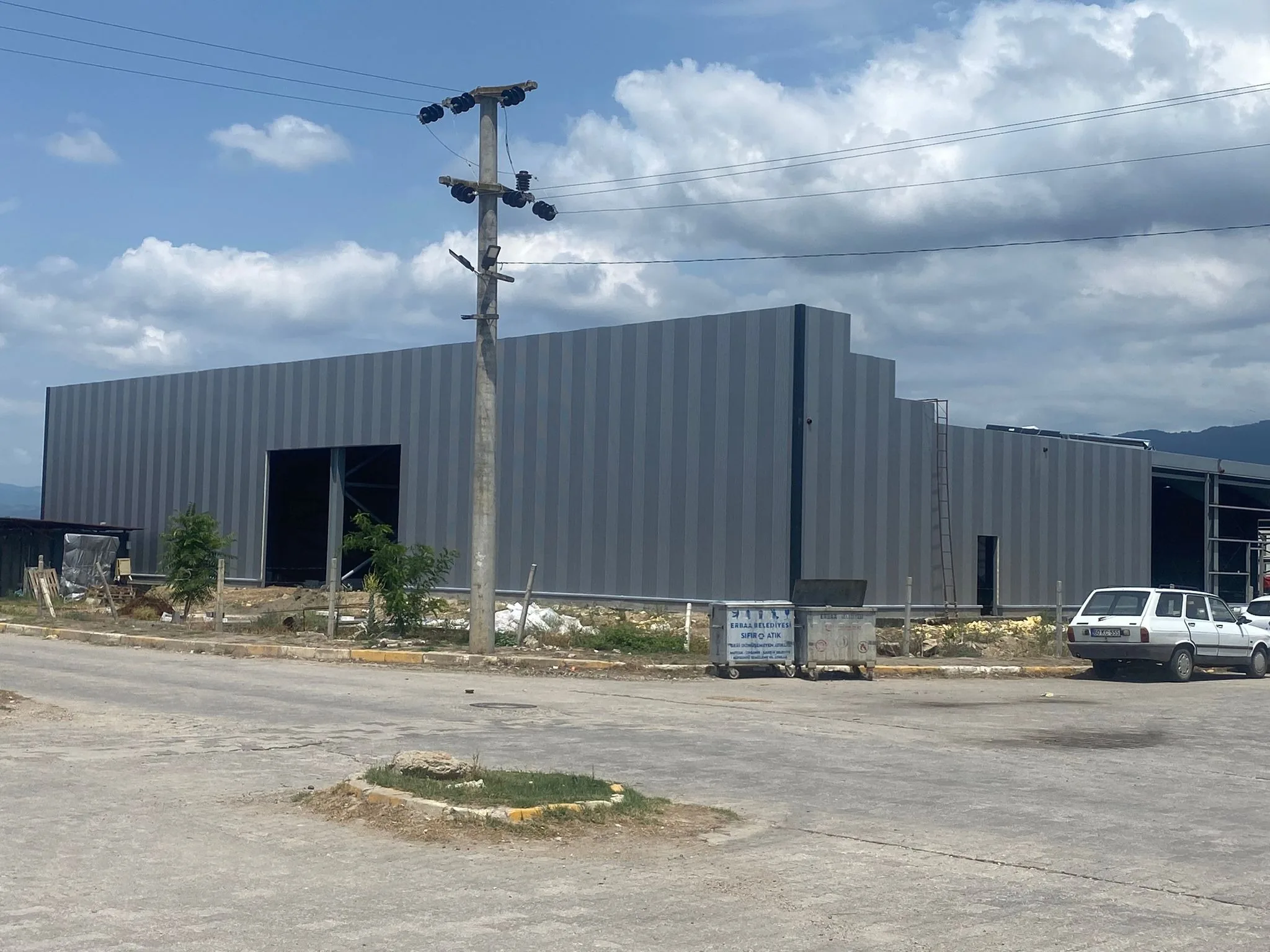
-
Machinery
Servo sewing machines
Servo motors draw power only while the needle is moving, so the sewing floor uses less electricity.
Energy-saving servo motors
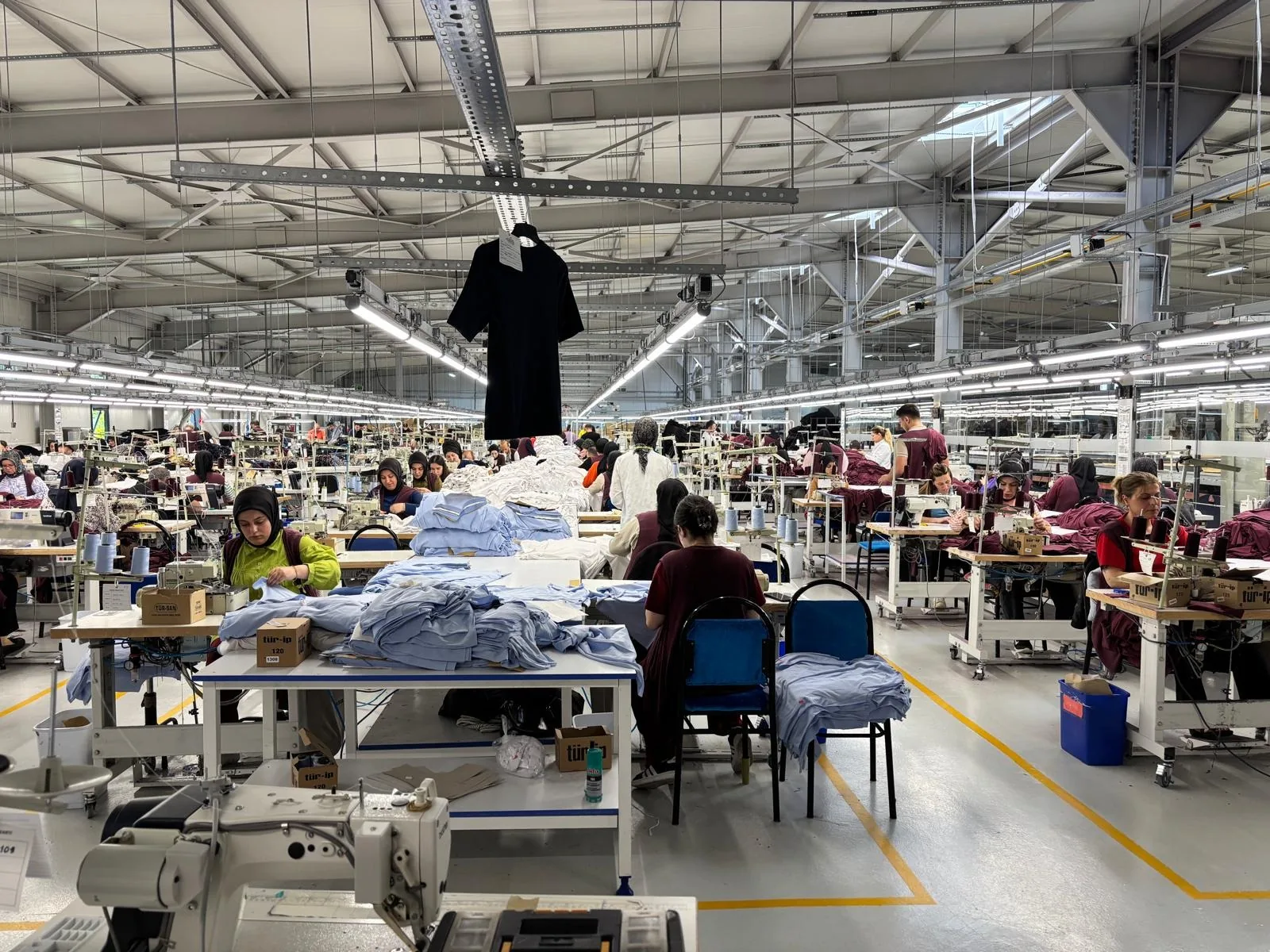
-
Finishing
Electric steam irons
Pressing and finishing run on electric steam irons instead of gas.
Gas replaced
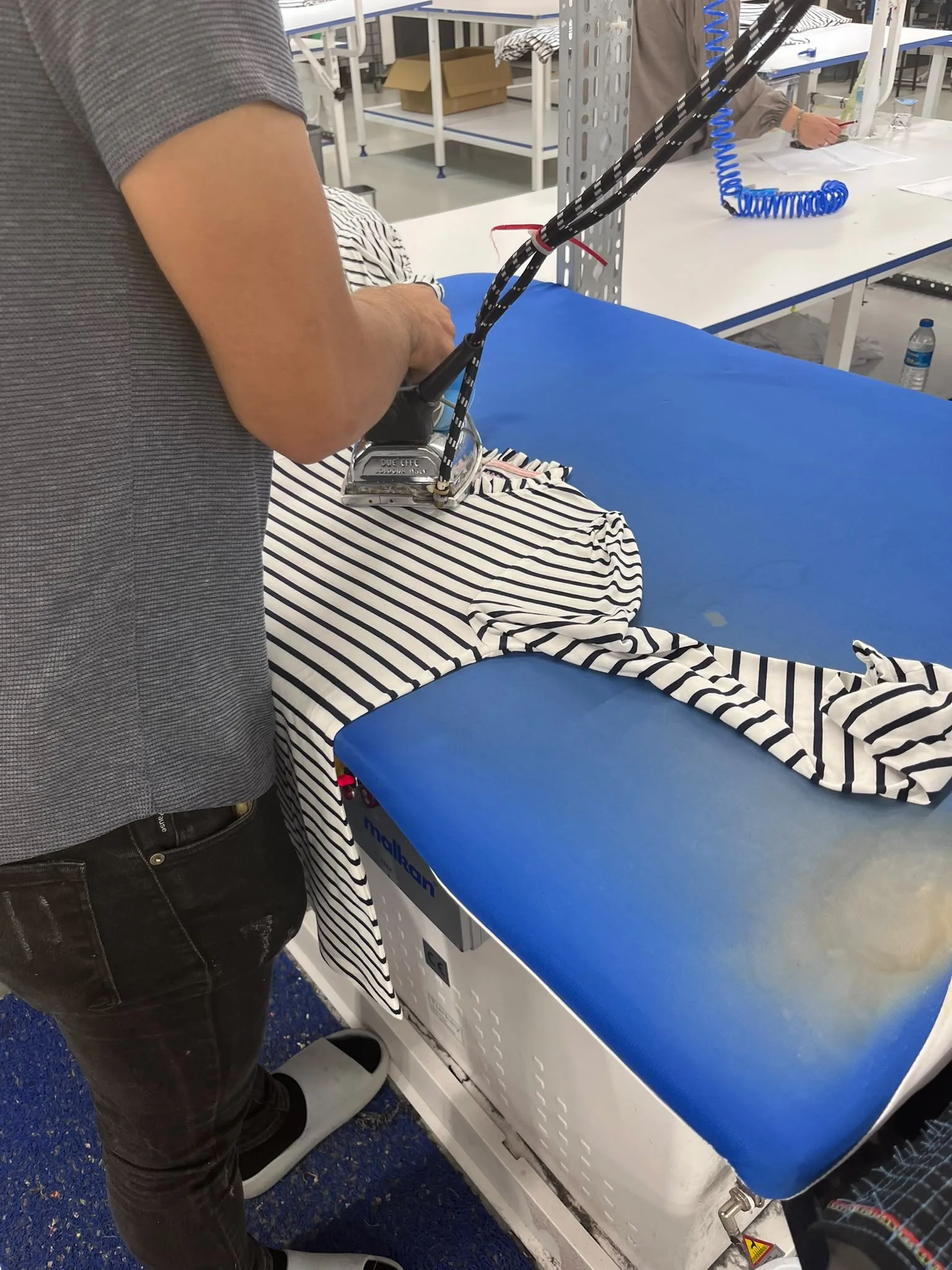
-
Cutting
Paperless cutting
Markers are planned digitally and cut on our Gerber system, with no paper patterns and less fabric waste.
Gerber · no paper patterns
No paper. -
Transport
Hybrid company cars
Our company cars are hybrids, cutting fuel use and emissions on the road.
Hybrid fleet
Hybrid.
Standards & programmes
The standards we work with.
Standards and programmes covering working conditions, organic and recycled content, cotton, chemicals and environmental performance. We also source from bluesign®-certified suppliers.
- Sedex / SMETA
- Sedex Members Ethical Trade Audit
- An ethical trade audit that brands share through the Sedex platform.
- Social
- ICS
- Initiative for Compliance and Sustainability
- Social compliance audits shared by retailers across their supply chains.
- Social
- SLCP
- Social & Labor Convergence Program
- One verified assessment of working conditions, shared with every brand instead of repeated audits.
- Social
- GOTS
- Global Organic Textile Standard
- The world standard for organic textiles, from fibre to finished garment.
- Organic
- OCS 100
- Organic Content Standard
- Tracks organically grown material through the supply chain into the garment.
- Organic
- GRS
- Global Recycled Standard
- Verifies recycled content, with social and environmental criteria for production.
- Recycled
- RCS 100
- Recycled Claim Standard
- Confirms the recycled material claimed in a product is really there.
- Recycled
- BCI
- Better Cotton Initiative
- The programme for more sustainable cotton farming.
- Cotton
- ZDHC
- Zero Discharge of Hazardous Chemicals
- Guidelines for keeping hazardous chemicals out of textile production.
- Chemicals
- Higg Index
- Facility Environmental Module
- Tools that measure a facility's environmental performance in a way brands can compare.
- Environment
The documents
Read them for yourself.
Our scope certificates from Bureau Veritas. Select a document to open it.
Sustainable materials
Better cloth starts at the fibre.
- Organic cottonGrown without chemical fertilisers or pesticides.
- Recycled polyesterMade from recycled plastic bottles, in our activewear and teddy fabrics.
- Bamboo, Tencel and hempBlends of plant-based fibres with a soft hand and a lighter footprint.
- Natural dyesColour from natural sources in place of synthetic dyestuffs, on request.
- Recycled labels and packagingLabels, tags and packaging made from recycled material.
- bluesign® suppliersFabrics and trims from suppliers certified under the bluesign® system.
Energy saved on sampling
~10%
By agreeing fit, drape and colour in Style3D before a physical sample is cut.
As featured in Hürriyet
“Tekstili sanal ortama taşıyor”
Hürriyet’s business pages on our move to 3D sampling and the 960-panel green factory in Erbaa OSB. Darsateks told the paper it wants clients anywhere in the world to see changes instantly, through virtual presentations.
Eco-friendly process
Fewer samples, less waste.
We develop in 3D with Style3D, so fit, drape and colour are agreed on screen before any cloth is cut. Physical samples are made only when they are needed, which saves around 10% of the energy sampling uses.
- 3D virtual samplingStyle3D
- Fewer physical samples~10% less energy
- Natural dyesOn request
Work with us
Let's build a sustainable future, together.
Ask us about organic and recycled fabrics, bluesign® suppliers and what our green factory in Erbaa can make for your next collection.